


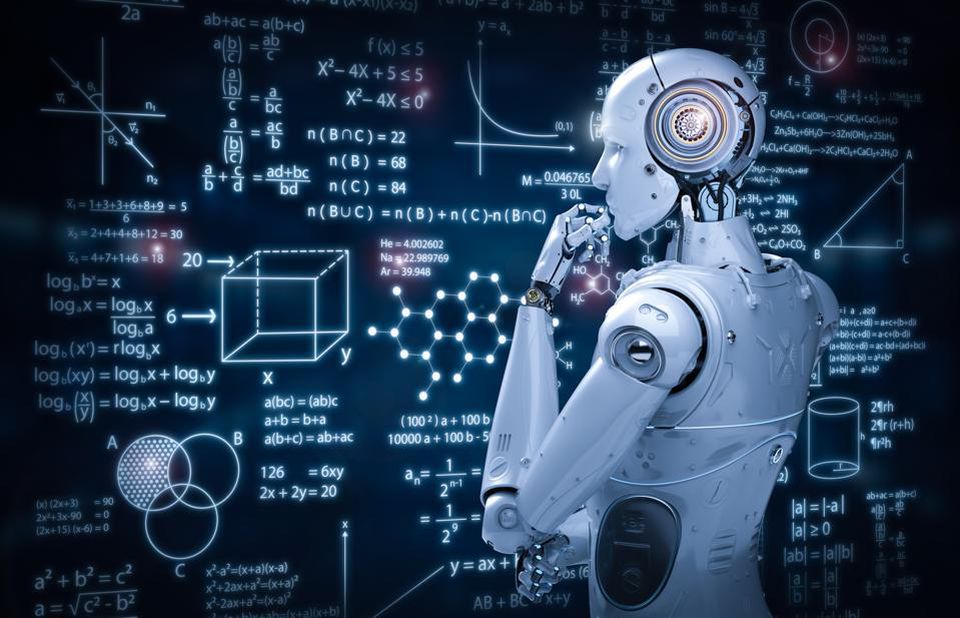
Securing the Future: The Symbiosis of Cyber Security and Artificial Intelligence
In the fast-evolving landscape of technology, the intersection of cybersecurity and artificial intelligence (AI) has become a critical frontier in safeguarding digital ecosystems. As businesses and individuals continue to embrace the benefits of AI, the corresponding rise in cyber threats necessitates innovative security measures to protect sensitive information.
Artificial intelligence, with its ability to analyze vast amounts of data and identify patterns, is a double-edged sword in the realm of cybersecurity. On one hand, AI technologies empower cybersecurity professionals to detect and respond to threats more efficiently. On the other hand, malicious actors are leveraging AI to create sophisticated and adaptive cyberattacks. Thus, the dynamic between cybersecurity and AI is a constant race for supremacy in the digital realm.
One of the primary advantages of AI in cybersecurity is its capability to enhance threat detection and response. Traditional cybersecurity measures often struggle to keep pace with the sheer volume and complexity of modern cyber threats. AI-driven systems excel at analyzing patterns in data, identifying anomalies, and predicting potential security breaches. Machine learning algorithms, for instance, can continuously learn from new data, evolving alongside the ever-changing nature of cyber threats.
Moreover, AI is instrumental in automating routine tasks in cybersecurity operations, allowing human experts to focus on more complex and strategic issues. Automated systems powered by AI can monitor network activities, analyze logs, and respond to low-level security incidents in real-time. This not only improves the efficiency of cybersecurity teams but also reduces the response time to emerging threats.
However, the rise of AI in cybersecurity also raises concerns about the potential misuse of this technology by cybercriminals. As AI becomes more sophisticated, there is a growing risk of adversarial attacks, where malicious actors use AI algorithms to exploit vulnerabilities in security systems. For instance, AI-powered malware could adapt its tactics to avoid detection or mimic legitimate user behavior to infiltrate networks undetected.
To address these challenges, the cybersecurity community is actively developing AI-based defense mechanisms. Adversarial machine learning, a subfield of AI, focuses on building systems that can withstand and counteract adversarial attacks. By creating AI models that are robust against manipulation, cybersecurity professionals aim to stay one step ahead of cybercriminals in this technological arms race.
The ethical considerations of AI in cybersecurity also come to the forefront. Ensuring responsible and transparent use of AI is crucial to maintaining public trust and preventing unintended consequences. Striking the right balance between enhancing security and respecting privacy is a challenge that requires collaboration between technologists, policymakers, and the broader society.
In conclusion, the integration of artificial intelligence into cybersecurity is reshaping the landscape of digital defense. As AI technologies evolve, so do the tactics of cyber threats. The symbiotic relationship between cybersecurity and AI is a testament to the ongoing battle for digital resilience. While AI strengthens our ability to protect against cyber threats, it also underscores the importance of ethical considerations and proactive measures to stay ahead of the ever-adapting strategies of cyber adversaries. Only through continued innovation, collaboration, and vigilance can we secure the future of our increasingly interconnected digital world.
Web editor
Sorry, the comment form is closed at this time.